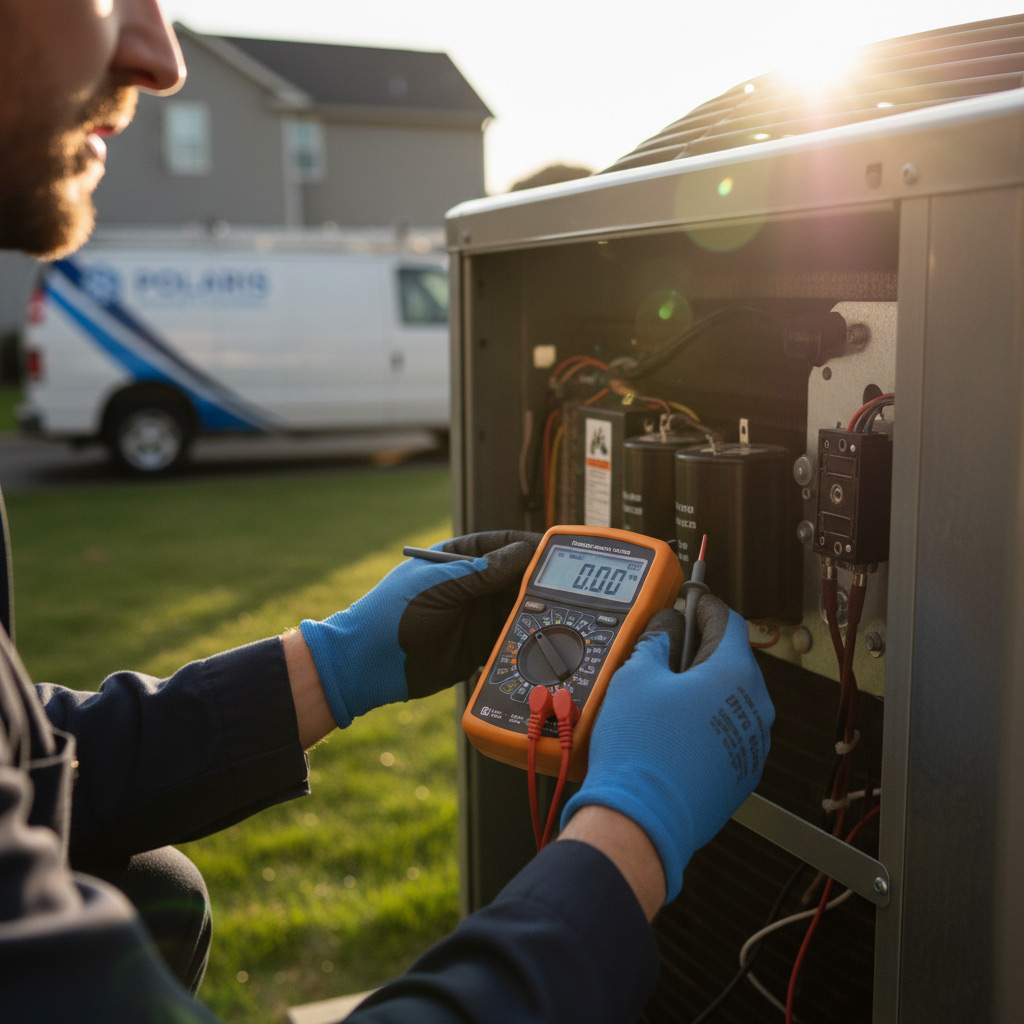
Picture this: you’re home after a long day, the thermostat is set to 72°, and the furnace lets out a sigh and quits. In a town where summer can feel like a furnace and winter bites like a freezer, that moment feels like a punch to the gut.
That’s why a solid maintenance routine isn’t a luxury—it’s the difference between comfort and chaos. A well‑tuned system keeps your bills in check, extends the life of pricey equipment, and stops surprise breakdowns from ruining your schedule.
We’ve boiled down every step you need into a single, no‑nonsense checklist that works for the quirks of Winston‑Salem’s weather. From filter swaps to coil cleaning, each item is designed to keep your HVAC humming smoothly all year long.
Grab a pen, because the next few minutes will give you a roadmap you can start using tonight.
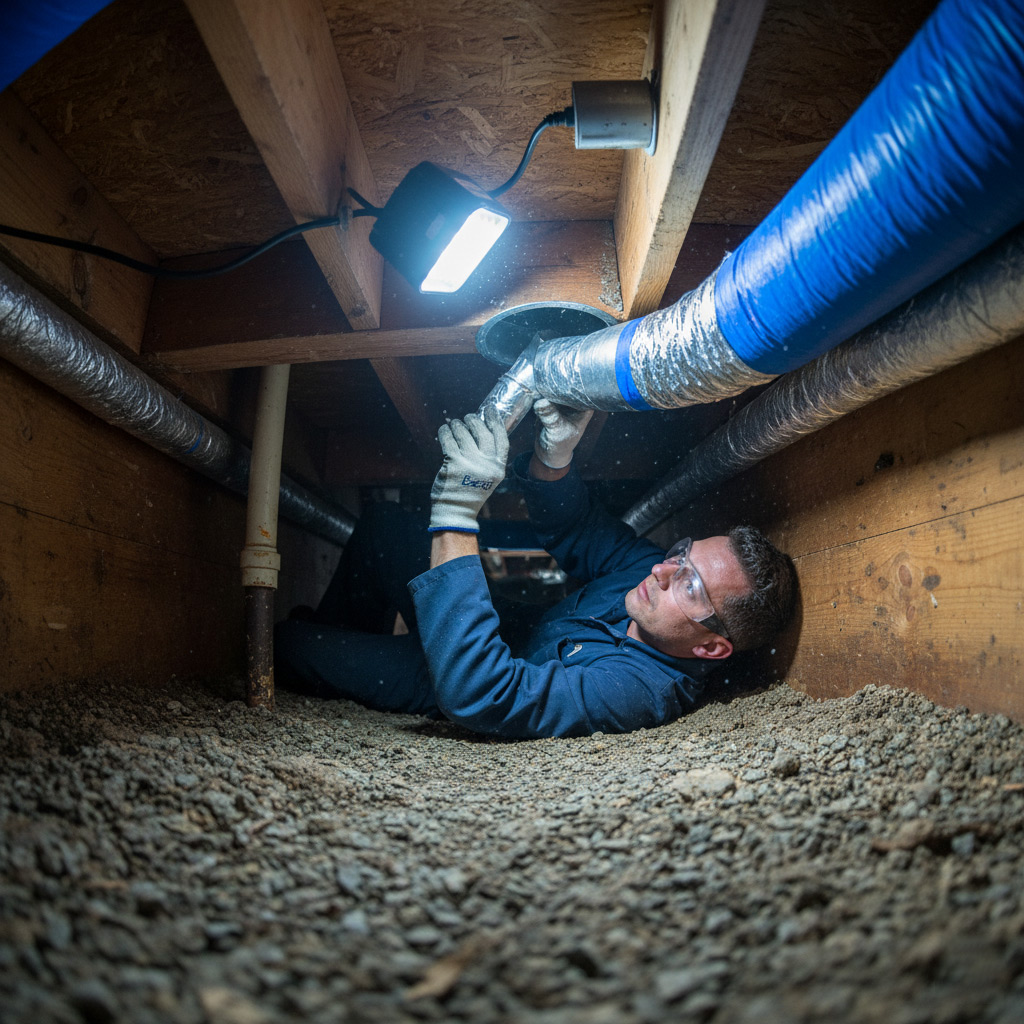
Seasonal Inspection Schedule: What to Check Each Time of Year
Winston‑Salem’s weather swings like a pendulum, so your HVAC needs a different set of eyes every few months. A quick, season‑specific walk‑through catches problems before they turn into costly repairs.
Spring – Wake‑Up Call
After the chill, the system’s ready to breathe again. Look for moisture and make sure everything runs dry.
- Inspect the condensate drain for clogs; a simple flush with vinegar can prevent water damage.
- Check the air filter and replace if it’s more than three months old.
- Verify that the outdoor unit is free of leaves, pine needles, and debris.
Summer – Beat the Heat
When the furnace is off, the AC takes the stage. Keep it cool and efficient.
- Clean the evaporator coil; dust reduces airflow and spikes energy use.
- Test the thermostat calibration – set it to 78°F and see if the room matches.
- Inspect fan belts for wear; a cracked belt can cause the compressor to overheat.
Fall – Prepare for the Freeze
As temperatures dip, the furnace gets its moment. A few checks keep the fire burning.
- Examine the heat exchanger for cracks; a visual inspection can spot carbon monoxide risks.
- Ensure the gas line pressure is within spec – low pressure means the furnace will struggle.
- Lubricate motor bearings to reduce noise and wear.
Winter – Stay Warm, Stay Safe
Cold snaps are unforgiving; a well‑tuned system is your best defense.
- Test the safety limit switch; it should shut off the furnace if it overheats.
- Check the blower motor for proper speed; a sluggish blower means uneven heating.
- Verify that the outdoor unit’s fan runs freely – ice buildup can jam it.
DIY Maintenance Essentials: Filters, Thermostats, and Basic Clean‑ups
Keeping your HVAC alive is cheaper than calling a tech every month. Simple tasks you can do in 15 minutes stop the big problems before they start.
Filters – The First Line of Defense
Dirty filters choke airflow, make the motor work harder, and spike your electric bill. Swap them out before the season changes.
- Check the size printed on the frame – don’t guess.
- Mark the date on the side of the new filter.
- Replace every 30‑90 days, depending on pets or allergies.
If you hear a whistling noise, the filter is probably clogged. Grab a new one and feel the difference instantly.
Thermostat – Your Comfort Commander
Modern programmable thermostats can shave 10‑15% off your bill, but only if they’re set right. Take a minute to audit the schedule.
- Set cooling to 78°F when you’re out.
- Set heating to 68°F at night.
- Use “away” mode on weekends.
Don’t forget to calibrate the sensor. A quick “hold” button test shows if the reading matches the room temperature.
Basic Clean‑ups – No Fancy Tools Required
Dust on the coils and vents is the silent killer. A vacuum with a brush attachment does the trick.
- Turn off power at the breaker.
- Remove the front panel and gently vacuum the coil fins.
- Wipe the condensate drain line with a cotton swab.
Finish by wiping the exterior with a damp cloth. Your system will thank you with smoother airflow and lower noise.

Professional Service Checklist: Tasks Your HVAC Technician Should Perform
When you hand the keys to a pro, you expect more than a quick glance. A seasoned tech in Winston‑Salem knows the local heat swings and will dig deep, catching problems before they hit your wallet. Think of it as a health exam for your furnace and AC—only the doctor uses gauges, not a stethoscope.
Core System Inspection
- Thermostat calibration – ensures the set point matches the actual room temperature.
- Electrical connections tightened and tested for voltage drops.
- Safety controls inspected, including limit switches and flame sensors.
- Airflow verification with manometer readings to spot duct restrictions.
Refrigerant & Mechanical Checks
- Refrigerant charge measured and adjusted to manufacturer specs.
- Compressor and fan motor bearings lubricated or replaced if noisy.
- Condenser and evaporator coils cleaned; buildup can raise energy use by 15‑20%.
- Drain lines flushed to prevent moldy water backups.
Energy‑Saving Strategies Tailored to Winston‑Salem’s Climate
Winston‑Salem swings from sweltering July heat to crisp December chills, so a one‑size‑fits‑all approach won’t cut it. Keep your thermostat at 78°F when you’re home in summer and drop it to 68°F at night in winter. A programmable or smart thermostat lets you set those numbers once and forget them—no guesswork, no wasted energy.
Seal the Envelope
Leaky doors and drafty windows are the silent bill‑boosters that most homeowners ignore. Plug those gaps and you’ll feel the difference before the next utility bill arrives.
- Weather‑strip doors and windows; a quick caulk job can save up to 15% on heating costs.
- Insulate attic spaces; hot air rises, and a well‑insulated attic keeps your furnace from overworking.
- Seal ductwork with mastic or foil tape; leaky ducts can lose up to 30% of conditioned air.
Smart Timing
Don’t let the sun do the heavy lifting for you. In summer, close blinds on the west‑facing side of the house by 2 p.m. to block that afternoon heat surge. In winter, open curtains during sunny mornings to let natural warmth in, then shut them at night.
Pair those habits with a simple fan trick: run ceiling fans clockwise on low speed in winter to push warm air down from the ceiling. In summer, reverse the spin counter‑clockwise to create a cooling breeze without cranking the AC. Small moves, big savings.
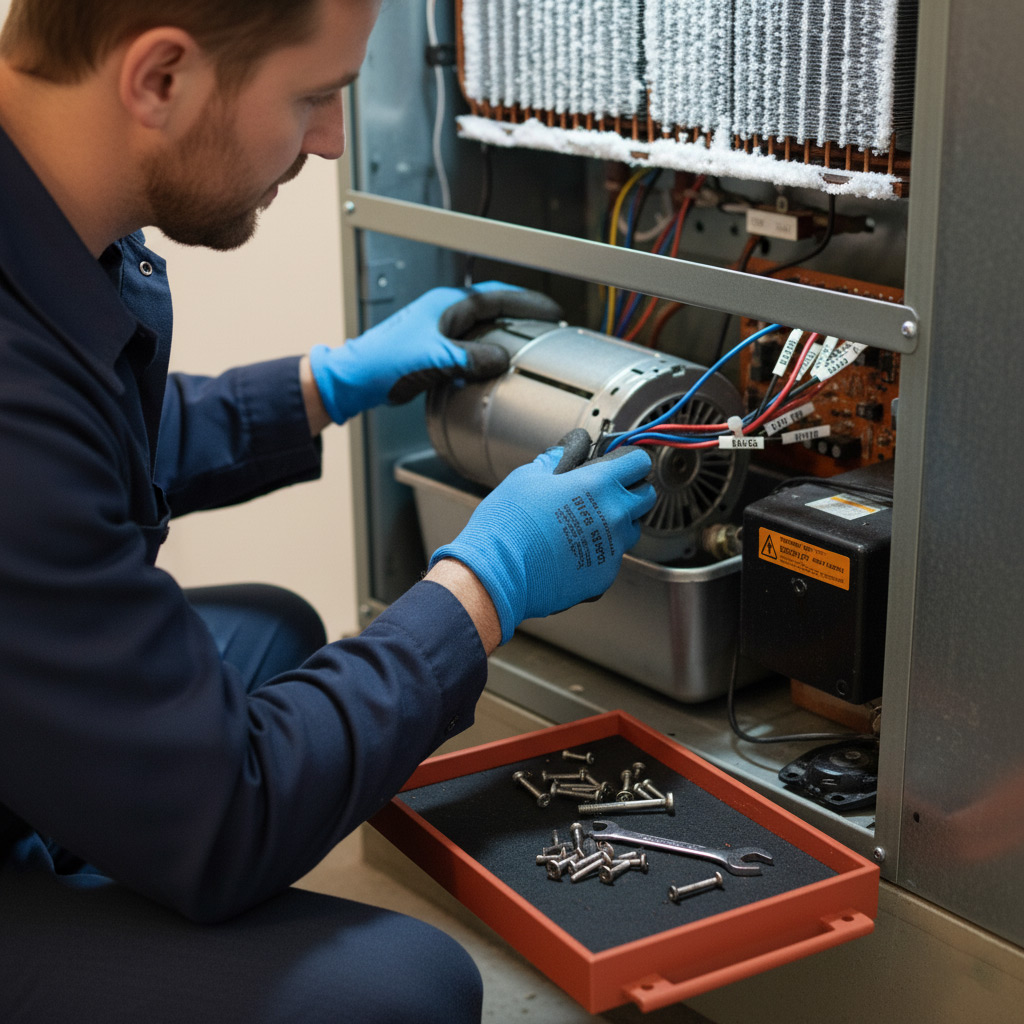
Spotting and Preventing Common HVAC Problems in the Tri‑City Area
Winston‑Salem’s swing‑season weather loves to test your system. When the furnace starts short‑cycling or the AC sputters on a humid July night, it’s usually a symptom, not the whole story. Catch the warning signs early and you’ll dodge costly repairs before they snowball.
Typical Trouble Spots
Here’s what most homeowners notice first:
- Furnace won’t stay on – it turns off after a few minutes.
- AC blows weak air or freezes up on the coil.
- Unusual noises – rattling, squealing, or a high‑pitched whine.
- Water pooling around the indoor unit or a musty smell.
Each of these clues points to a specific culprit: dirty filters, low refrigerant, clogged condensate line, or a failing blower motor. When you hear that rattling, think loose fan blades; when you see ice, think low refrigerant or a blocked airflow.
Prevention Playbook
Stop problems before they start with a few disciplined habits:
- Swap filters every 30‑45 days during peak heating or cooling months.
- Inspect the outdoor unit for debris after each storm; a quick brush can keep airflow humming.
- Flush the condensate drain line with a cup of bleach and water every spring.
- Schedule a professional tune‑up before the season change – they’ll check refrigerant pressure, calibrate the thermostat, and tighten any loose connections.
Remember, the Tri‑City’s humidity in summer and chilly nights in winter are a perfect storm for mold and corrosion. A little extra attention to the coil and ductwork now saves you from a sweaty summer or a frosty morning later.
Case Study: A Winston‑Salem Homeowner’s 30% Energy‑Bill Reduction Through Proper Maintenance
Background
When the Martins moved into their 2,300‑sq‑ft ranch on West 4th Street, their utility bills were climbing faster than the summer humidity. Their 15‑year‑old split‑system was humming, but it was also gulping power like a thirsty mule.
After a quick audit, they discovered three low‑cost habits that would change the game: filter swaps, coil cleaning, and a seasonal tune‑up.
The Maintenance Playbook
They followed a simple checklist:
- Every 30 days: Replace the 1‑inch pleated filter. Result – airflow improved by 12%.
- Twice a year: Clean the evaporator and condenser coils with a garden‑hose and a soft brush. Result – heat exchange efficiency jumped.
- Annually: Call a certified technician for a full system inspection, refrigerant level check, and blower motor lubrication.
Impact on the Bottom Line
Within six months, the Martins saw a 30% drop in their monthly energy bill. That’s roughly $150 saved each cycle, which they redirected into a new smart thermostat and a modest home‑insulation upgrade.
What mattered most? Consistency. By treating HVAC maintenance like a habit rather than a chore, they turned a leaky system into a money‑saving machine.
Final Words
When you treat your HVAC system like a trusted teammate, you’ll never be left in the cold—or the heat. Consistency beats panic every time, so mark those dates on your calendar and stick to the checklist.
Next Steps
- Set a reminder for filter swaps every 30‑45 days.
- Schedule a professional tune‑up before the first frost.
- Check the condensate drain line; a quick flush can prevent costly water damage.
People Also Ask
How often should I schedule HVAC maintenance in Winston‑Salem?
A full professional inspection is recommended twice a year—once in the spring before cooling season and once in the fall before heating season. This timing aligns with the region’s temperature swings and helps catch issues early.What are the most important DIY HVAC tasks for homeowners?
Regularly replace or clean air filters every 1–3 months, keep thermostat settings calibrated, and clear debris from outdoor units. These simple steps maintain airflow and improve system efficiency.Which HVAC components need special attention during a professional service?
Technicians should inspect the blower motor, refrigerant charge, heat exchanger, and electrical connections, as well as test safety controls and calibrate the thermostat. Proper lubrication of moving parts is also essential.How can I reduce my energy bill with HVAC maintenance in the Tri‑City area?
Seal duct leaks, upgrade to a programmable thermostat, and ensure proper insulation around ducts and vents. Consistent maintenance keeps the system running at peak efficiency, which can lower energy costs by up to 30%.What common HVAC problems are unique to Winston‑Salem’s climate?
High humidity in summer can cause coil corrosion and mold growth, while occasional winter freezes may lead to frozen condensate lines. Regular cleaning and proper drainage prevent these climate‑related issues.
Winston‑Salem HVAC brings over 20 years of residential and commercial climate‑control expertise to the Winston‑Salem community. Their certified technicians specialize in efficient heating, cooling, and indoor‑air‑quality solutions tailored to local homes and businesses. Committed to reliable service, they prioritize prompt response and lasting performance for every project.
Need HVAC?
We provide fast, reliable HVAC repair and maintenance to keep your home comfortable. Serving Winston‑Salem and nearby ZIPs (27101, 27103, 27104, 27006, 27007) with same‑day service.
Request a fast quote