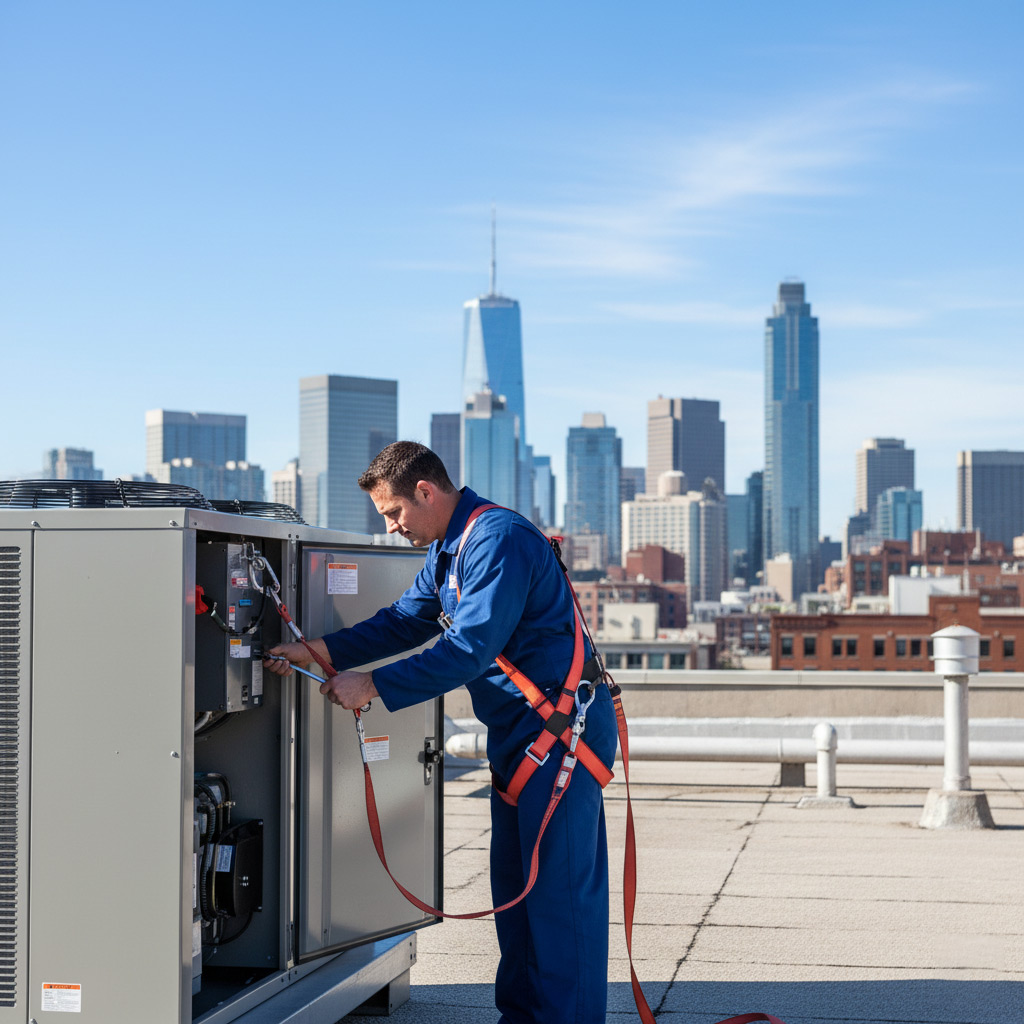
Ever watched a brand‑new boiler sputter like a dying engine and thought, “What the heck went wrong?” That gut‑wrenching moment is usually the result of a rookie mistake that could have been avoided with a little know‑how.
In Winston‑Salem, where winters can bite and heating is non‑negotiable, a botched installation doesn’t just cost you money—it can leave your family shivering and your schedule in chaos.
From picking the wrong size to ignoring the little details that keep a system humming, the most common slip‑ups are surprisingly simple to spot—and even easier to fix—if you know what to look for.
Ready to save yourself time, cash, and a whole lot of hassle? Keep reading and discover the five mistakes you can dodge right now.
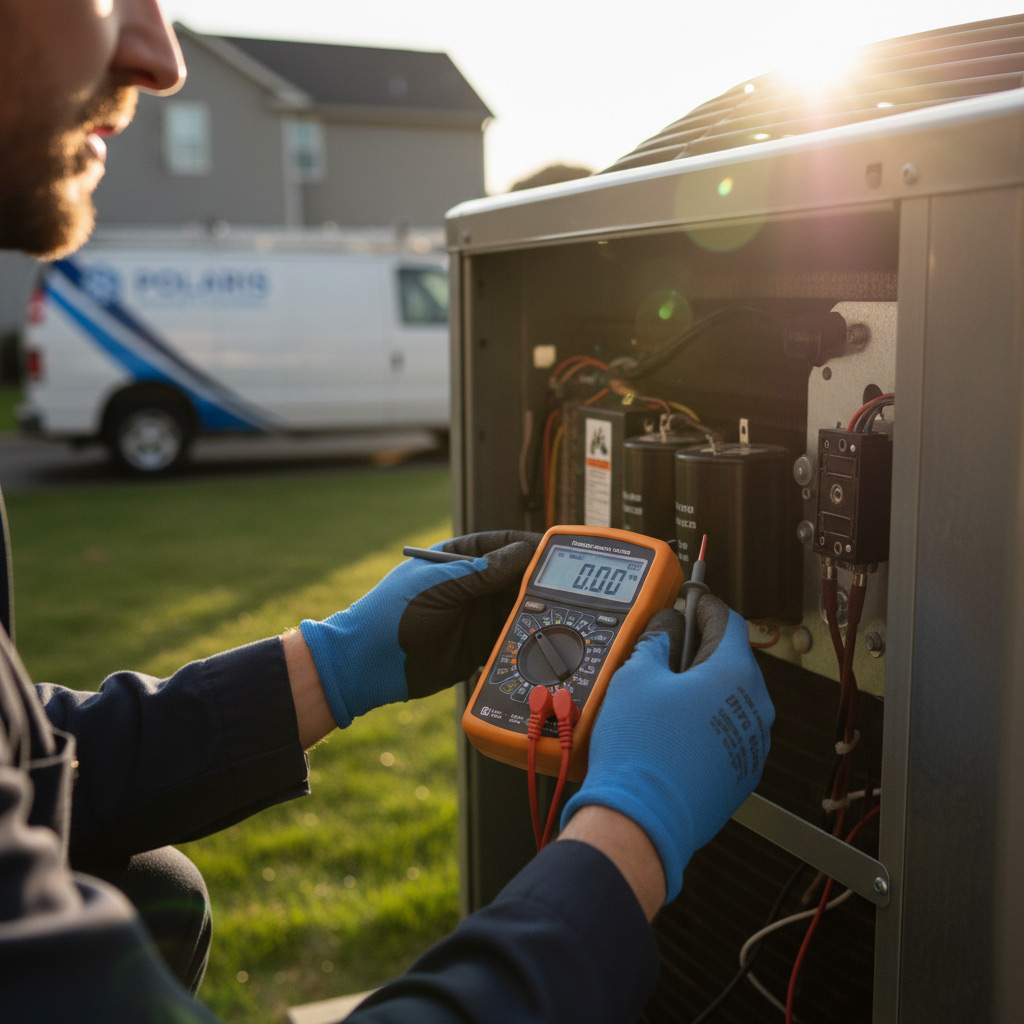
Mistake #1: Incorrect Boiler Sizing – Selecting the Right Capacity for Your Home
Why Size Matters
Too big a boiler burns fuel like a race car on a city street, while a unit that's too small works like a hamster on a wheel—never catching up. Both scenarios waste money and leave you shivering when the temperature drops.
How to Get It Right
Start with a proper heat‑loss calculation. A qualified technician will measure:
- Square footage of each heated room
- Insulation levels and window types
- Local climate factors specific to Winston‑Salem
These numbers translate into a BTU rating that matches your home’s demand. No guesswork, just math.
Red Flags to Watch
If the installer says, “We’ll just go with a standard size,” walk away. A one‑size‑fits‑all claim is a red flag that the job will end in regret.
Look for a manufacturer’s sizing chart and compare it to your calculated load. When the numbers line up, you’ve got the right fit.
Mistake #2: Improper Placement and Ventilation – Ensuring Adequate Clearance and Airflow
Putting a boiler in a cramped closet or a dusty attic is a recipe for disaster. Heat needs room to breathe, and the furnace’s exhaust must have a clear path to the outside. When you ignore the space around the unit, you invite overheating, carbon monoxide buildup, and premature wear.
Clearance Requirements
Every boiler comes with a manufacturer’s clearance chart—treat it like a cheat sheet for safety. Don’t improvise. A typical gas‑fired boiler needs at least:
- 12 inches of free space on the sides
- 24 inches above the top for proper venting
- 6 inches in front for service access
Skipping these gaps forces the unit to work harder, which spikes your energy bill and shortens the system’s life.
Ventilation Paths
Good airflow starts with a well‑placed intake and a correctly sized vent pipe. If the vent runs through a wall that’s already sealed, you’ll create back‑pressure that chokes the boiler. Make sure the vent is:
- Made of approved material (stainless steel or aluminum)
- Sloped upward at the correct angle
- Clear of obstructions like insulation or stored items
When the vent is clean and properly pitched, the boiler expels gases efficiently and runs smoother—just the way you want it during a Winston‑Salem freeze.
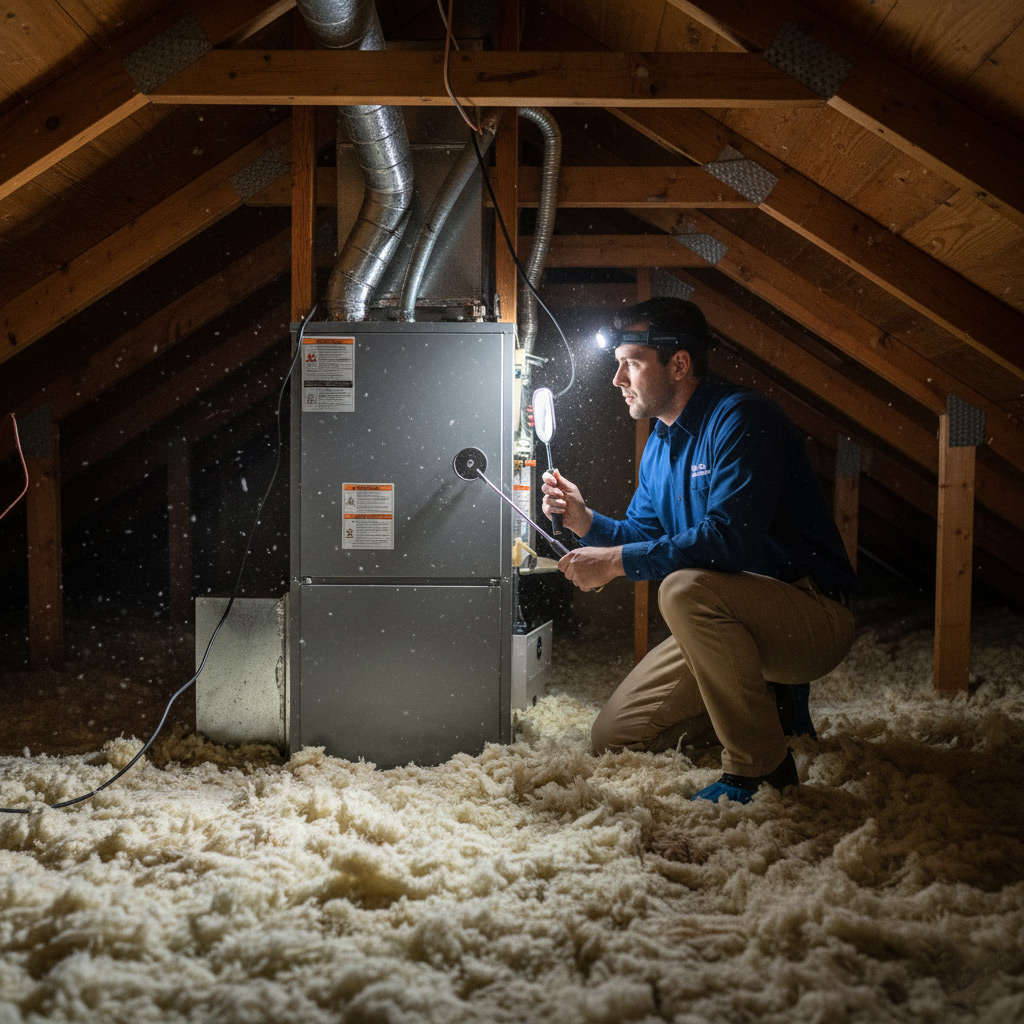
Mistake #3: Skipping the Pressure Test – Detecting Leaks Before They Become Costly Problems
Imagine turning on a brand‑new boiler only to hear a hiss that sounds like a leaky faucet. That hiss is usually a tell‑tale sign of a missed pressure test, and it can turn a simple install into a nightmare. One tiny leak can waste gallons of water, raise your gas bill, and force you back to the contractor’s truck.
Why the pressure test matters
The test puts the system under controlled stress, letting you spot weak joints before they’re buried behind walls. It’s like a doctor’s check‑up for your heating system—quick, painless, and it catches problems early. Skipping it is a gamble; the odds are never in your favor.
How to run a proper pressure test
Follow these steps, and you’ll avoid the costly “oops” later:
- Close all valves and isolate the boiler from the rest of the house.
- Attach a calibrated pressure gauge to the test port.
- Pressurize the system to the manufacturer’s recommended psi (usually 12‑15 psi).
- Hold the pressure for at least 15 minutes. Watch for any drop.
- If the gauge falls, locate the leak, tighten fittings, or replace faulty pipe.
When the pressure holds steady, you’ve earned a green light to move forward. That’s the peace of mind most homeowners miss when they skip this simple step.
Mistake #4: Overlooking Local Codes and Permits – Staying Compliant in Winston‑Salem
Why permits matter
Winston‑Salem’s building department isn’t just a bureaucratic hurdle; it’s the safety net that keeps your home from turning into a fire‑hazard. Skipping the paperwork can void your warranty faster than a cold snap. When the inspector walks in, they’ll check for:
- Mechanical permits for boiler size and fuel type
- Clearance distances from combustibles
- Proper venting routes that meet the International Fuel Gas Code
The cost of skipping the paper
One missed signature can cost you thousands in retrofits, fines, or even a forced shutdown. Insurance companies love a clean record; they’ll deny a claim if the installation wasn’t approved. Plus, resale value takes a hit when the home shows “unpermitted work.”
Quick compliance checklist
Before you lift a wrench, run through this short list:
- Call the Winston‑Salem Building Services office for the latest code edition.
- Secure a mechanical permit and schedule the required inspection.
- Document every step—photos, receipts, and the inspector’s sign‑off.
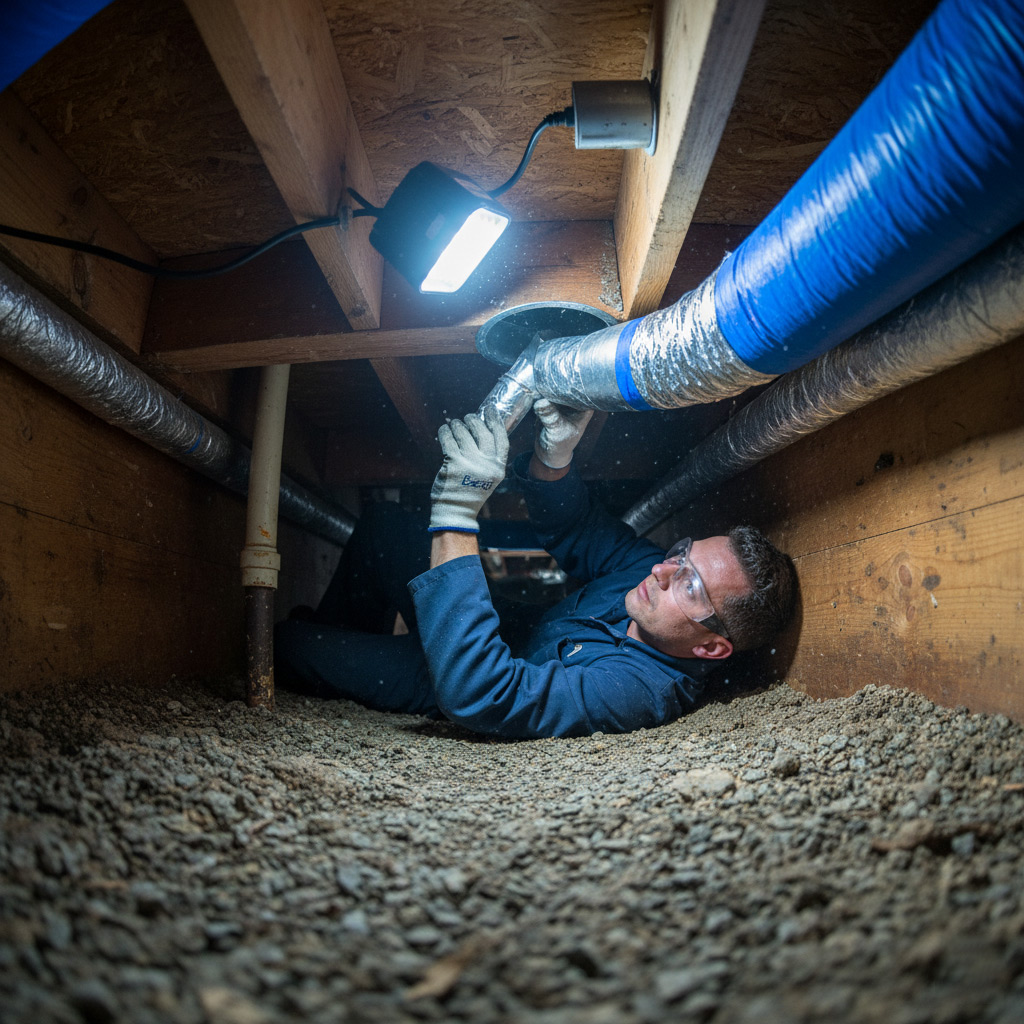
Mistake #5: Inadequate Piping and Controls – Optimizing Efficiency and Safety
When the water in your boiler has to fight its way through a maze of undersized or poorly routed pipes, you’re paying for heat that never reaches the room. Wrong pipe diameter means the pump works harder, the boiler runs longer, and your utility bill spikes. Simple fix: size the piping to match the boiler’s output and the home’s demand.
Common Piping Slip‑Ups
- Using ½‑inch pipe for a 120,000‑BTU unit – it chokes flow.
- Skipping a proper slope on condensate lines – water pools, corrosion follows.
- Running pipes too close to electrical wiring – a fire hazard waiting to happen.
- Neglecting insulation on exposed runs – heat loss eats your comfort.
Controls are the brain of the system, and a clueless thermostat or missing pressure‑relief valve can turn a cozy home into a safety nightmare. Install a modulating outdoor reset so the boiler trims its output as the weather warms. Don’t forget a correctly set pressure‑relief valve; it’s the last line of defense against a burst pipe. When the controls talk to the boiler in the right language, you get steady heat, lower fuel use, and peace of mind.
Case Study: How Winston-Salem HVAC Corrected a Botched Installation in Winston‑Salem
The Problem
When the Johnson family called, their new boiler was whining, the thermostat was stuck at 55°F, and the water pressure gauge was flashing red. The installer had chosen a unit that was far too small for the 2,300‑sq‑ft home and had tucked it into a cramped closet with no proper vent clearance.
Because the original crew skipped the pressure test, a tiny leak in the gas line went unnoticed, turning the whole system into a safety hazard. The result? A chilly house, a frustrated family, and a looming inspection nightmare.
The Fix
Winston-Salem HVAC sent a senior technician the same day. First, he removed the undersized boiler and replaced it with a correctly sized, high‑efficiency model that matched the home’s heat load.
Next, he tackled the placement and ventilation issues:
- Re‑located the unit to a dedicated mechanical room with at least 24 inches of clearance on all sides.
- Installed a new stainless‑steel vent kit that met the local code for combustion air.
- Ran a full pressure test, catching a micro‑crack in the gas line and sealing it before the system was powered up.
Finally, he upgraded the control board and added a smart thermostat, giving the Johnsons precise temperature control and energy‑saving schedules.
The Result
Within 48 hours, the house was heating evenly, the pressure gauge stayed steady, and the inspector gave a clean bill of health. The Johnsons saved roughly $1,200 in utility costs during the first winter and avoided a costly re‑inspection fee.
Winston-Salem HVAC’s quick, thorough approach turned a potential disaster into a showcase of what proper installation looks like in Winston‑Salem.
Final Words
Even after you dodge the five big blunders, a boiler still needs a watchful eye. Think of it like a car—regular oil changes keep the engine humming, and a quick visual inspection can catch a loose bolt before it becomes a nightmare.
Quick Checklist
- Verify the pressure gauge reads between 1‑1.5 bar when the system is cold.
- Listen for any odd rattles or hissing sounds during the first 30 minutes of operation.
- Confirm that all vent pipes have at least the manufacturer‑specified clearance.
- Make sure the thermostat responds within five minutes of a temperature change.
People Also Ask
What happens if a boiler is sized incorrectly?
An undersized boiler won’t heat your home efficiently, leading to higher energy bills and constant cycling. An oversized unit short‑cycles, causing wear on components and reduced comfort.Why is proper boiler placement important?
Correct placement ensures adequate clearance for service access and proper ventilation, preventing carbon monoxide buildup. It also protects the unit from moisture and temperature extremes that can shorten its lifespan.Do I really need a pressure test after installing a boiler?
Yes, a pressure test identifies leaks in the system before the boiler is sealed, saving costly repairs and water damage later. It also verifies that all connections meet manufacturer specifications.Are local permits required for boiler installations in Winston‑Salem?
Winston‑Salem building codes mandate permits for new boiler installations to ensure safety and compliance. Skipping permits can result in fines, failed inspections, and insurance issues.How can poor piping affect boiler performance?
Improperly sized or routed piping creates pressure drops and uneven heat distribution, reducing efficiency. Correctly designed piping and controls maximize heat output while protecting the system from stress.
Winston‑Salem HVAC brings over 20 years of heating and cooling expertise to the Winston‑Salem community. Their team of certified technicians delivers reliable service and tailored solutions for residential and commercial clients. Committed to energy efficiency and local support, they keep homes comfortable year‑round.
Need HVAC?
We provide fast, reliable HVAC repair and maintenance to keep your home comfortable. Serving Winston‑Salem and nearby ZIPs (27101, 27103, 27104, 27006, 27007) with same‑day service.
Request a fast quote