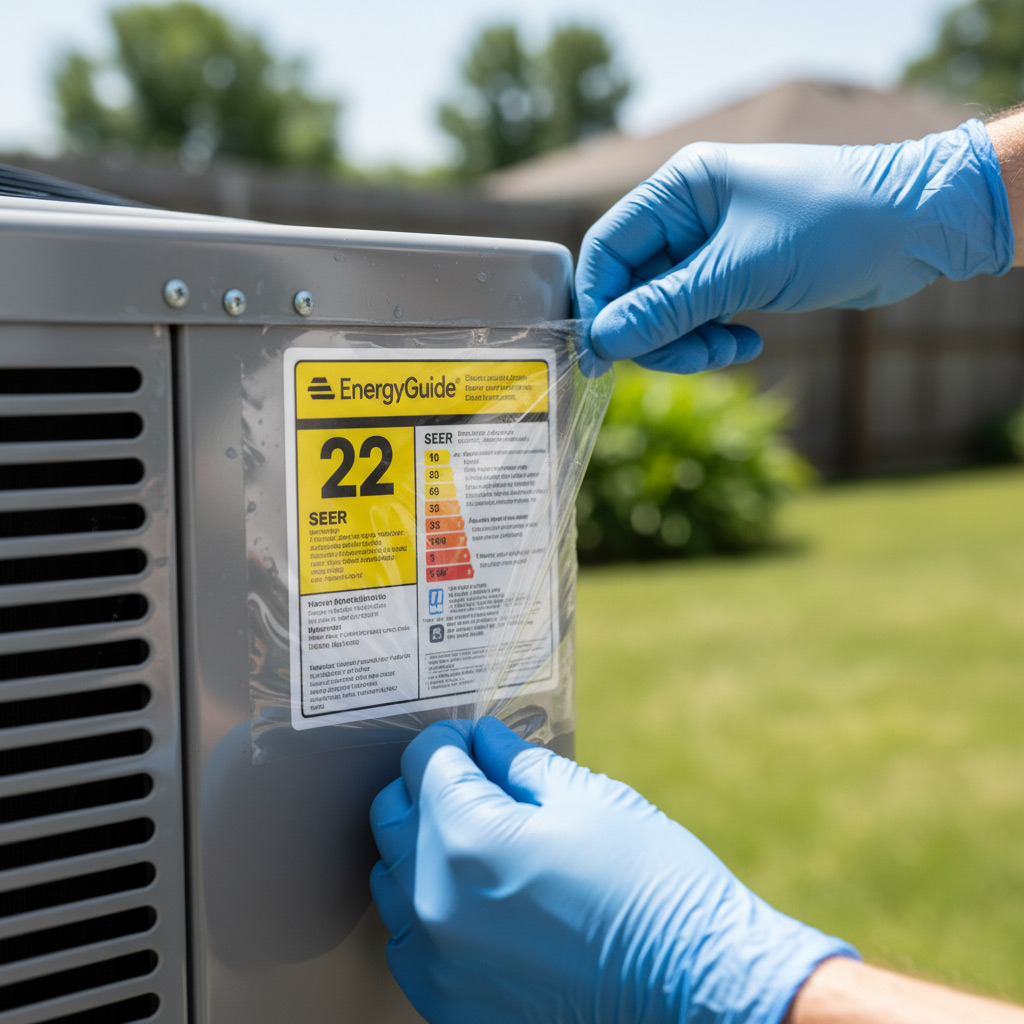
Your furnace just coughed its last breath and the thermostat is flashing red—what now?
In Winston‑Salem, a busted HVAC system isn’t just an inconvenience; it can turn a mild summer night into a sweltering nightmare or leave you shivering during a chilly fall. The good news is you don’t have to guess which unit fits your home, budget, or the local climate.
We’ve mapped out every step from spotting the warning signs to picking the right HVAC replacement, so you can make a confident decision without the usual headaches. Keep reading and you’ll see exactly how to turn this chore into a smooth, money‑saving move.
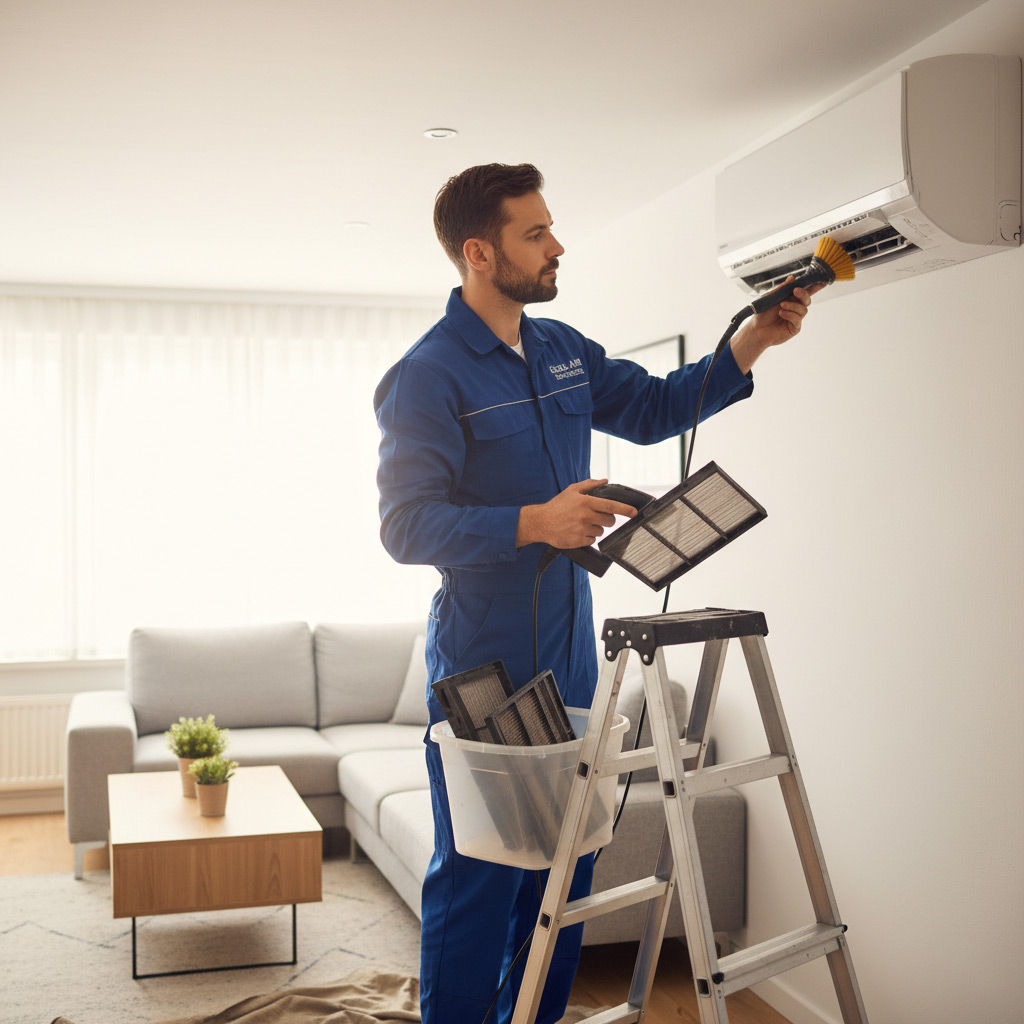
Recognizing the Warning Signs That Indicate It’s Time for a Replacement
Listen to the Noise
When your furnace starts rattling like a loose truck bed, it’s not just annoying—it’s a red flag. Grinding, squealing, or constant clicking means internal parts are wearing out fast.
Watch the Bills
If your energy statements are creeping upward even though you haven’t changed your thermostat settings, the system is losing its bite. An inefficient unit guzzles power just to keep your home comfortable.
Spot the Symptoms
- Uneven temperatures from room to room – hot spots and cold drafts.
- Frequent cycling on and off, or the unit refusing to start at all.
- Visible rust, corrosion, or water pooling around the furnace or air handler.
- Age over 10‑15 years and the original warranty has expired.
- Strange odors – burning, musty, or chemical smells.
Each of these clues points to a system that’s past its prime. Ignoring them only drives up repair costs and leaves you uncomfortable when the weather turns.
Evaluating Your Home’s Specific Heating and Cooling Needs
First, take a quick inventory of your house’s size, layout, and insulation quality. A 2,000‑sq‑ft ranch with new windows will behave very differently from a 3,500‑sq‑ft Victorian with original plaster walls. Square footage alone doesn’t tell the whole story—you also need to factor in ceiling height, sun‑exposed walls, and how many people share the space.
Load Calculation Basics
Professional load calculators crunch numbers you don’t have to guess at. They look at:
- Winter heating demand measured in BTUs
- Summer cooling load expressed as SEER rating
- Air leakage and duct efficiency
When the numbers line up, you avoid the classic mistake of buying a unit that’s too big (wasteful) or too small (never reaches setpoint). Right‑sized equipment = steady comfort and lower bills.
Finally, think ahead. Are you planning an addition, a home office, or a new family member? Zoning systems or smart thermostats can adapt to changing needs without a full‑scale replacement later. Future‑proofing now saves you a second round of hassle and expense.
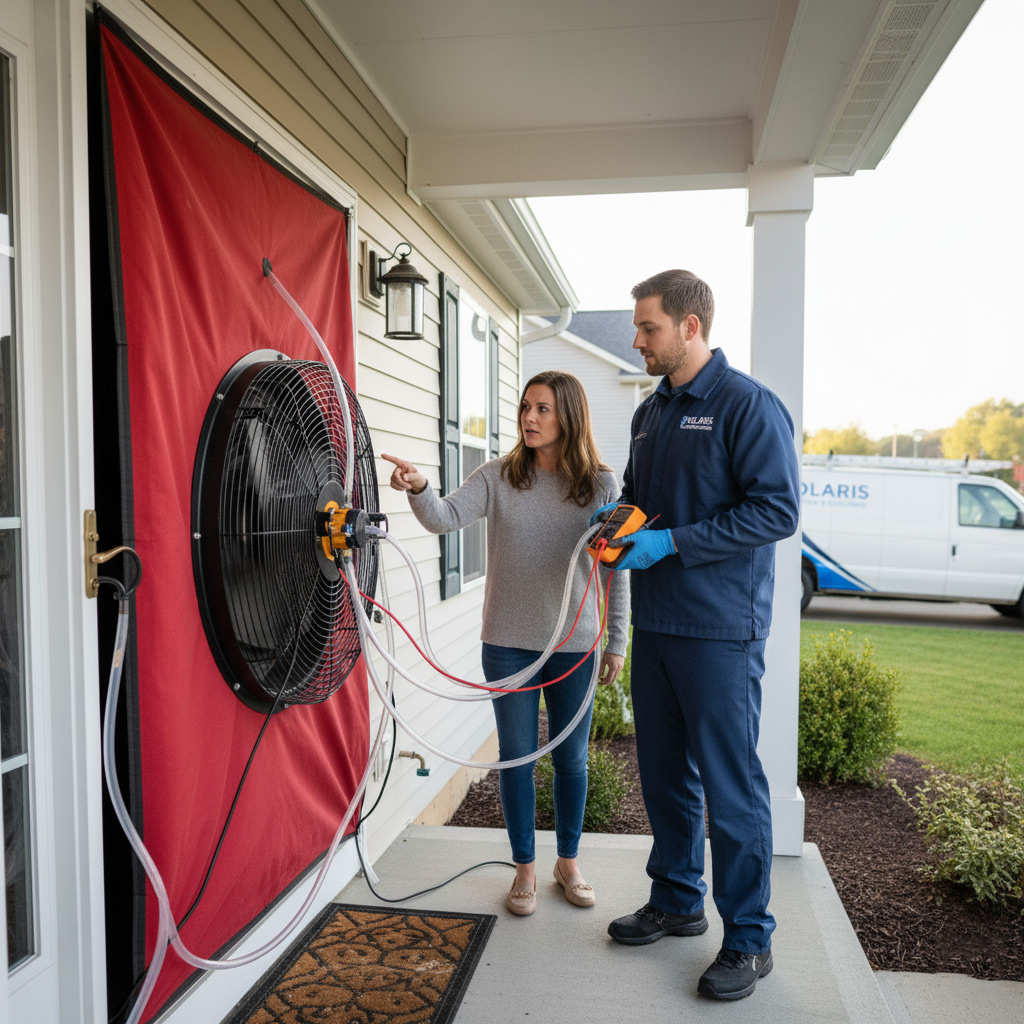
Comparing HVAC System Types: Central Air, Ductless Mini‑Splits, and Hybrid Options
Central Air – The Classic Workhorse
Central air uses a single furnace or heat pump paired with a network of ducts to push conditioned air throughout the house. It’s the go‑to for larger homes where you want one thermostat to rule them all. Pros include consistent temperature, low noise inside rooms, and the ability to add a humidifier or air purifier to the whole system.
- One unit, whole‑house coverage
- Ideal for homes with existing ductwork
- Higher upfront cost if ducts need repair
Ductless Mini‑Splits – The Flexible Contender
Mini‑splits ditch the ducts and deliver air directly from an outdoor compressor to indoor wall‑mounts. Perfect for additions, basements, or historic homes where adding ducts would be a nightmare. They let you set different temperatures room by room, which can shave dollars off your bill.
- Easy installation, no ducts required
- Zone control for personalized comfort
- Higher per‑unit price, but savings on energy
Hybrid Systems – The Best of Both Worlds
A hybrid combines a gas furnace with an electric heat pump, automatically choosing the most efficient source based on outdoor temperature. In Winston‑Salem’s swing‑season climate, the system can run on electricity during mild days and flip to gas when it gets really cold.
- Smart switching saves money
- Reduced carbon footprint
- More complex controls, may need a tech‑savvy homeowner
Estimating Total Costs: Equipment, Installation, Energy Efficiency, and Incentives
Equipment Price Breakdown
In Winston‑Salem, a brand‑new furnace or air‑conditioner can run anywhere from $2,500 for a basic unit to over $7,000 for a high‑efficiency model with advanced controls.
Key factors that push the price up or down include:
- SEER or AFUE rating – the higher, the more you’ll pay upfront.
- Brand reputation – trusted names often carry a premium.
- System size – oversized units waste money; undersized units strain the motor.
Installation & Labor
Labor isn’t a flat fee; it flexes with the job’s complexity. Expect a range of $1,200‑$3,500 for a straightforward swap, but historic homes can add $1,000‑$2,000 for custom ductwork or retro‑fits.
Don’t forget the hidden line items:
- Permit fees – usually $50‑$150 from the city.
- Old unit disposal – many contractors bundle this, but it can be $100‑$300.
- Additional accessories – thermostats, zoning kits, or air‑purifiers.
Energy Savings & Incentives
High‑efficiency gear can shave 15‑30% off your annual utility bill, turning a hefty upfront cost into long‑term cash flow.
Take advantage of these money‑savvy options:
- Federal tax credit – up to 30% of equipment cost, capped at $2,000.
- North Carolina Energy Office rebates – $300‑$500 for qualifying units.
- Utility company rebates – many local providers offer $200‑$400 incentives for ENERGY STAR models.
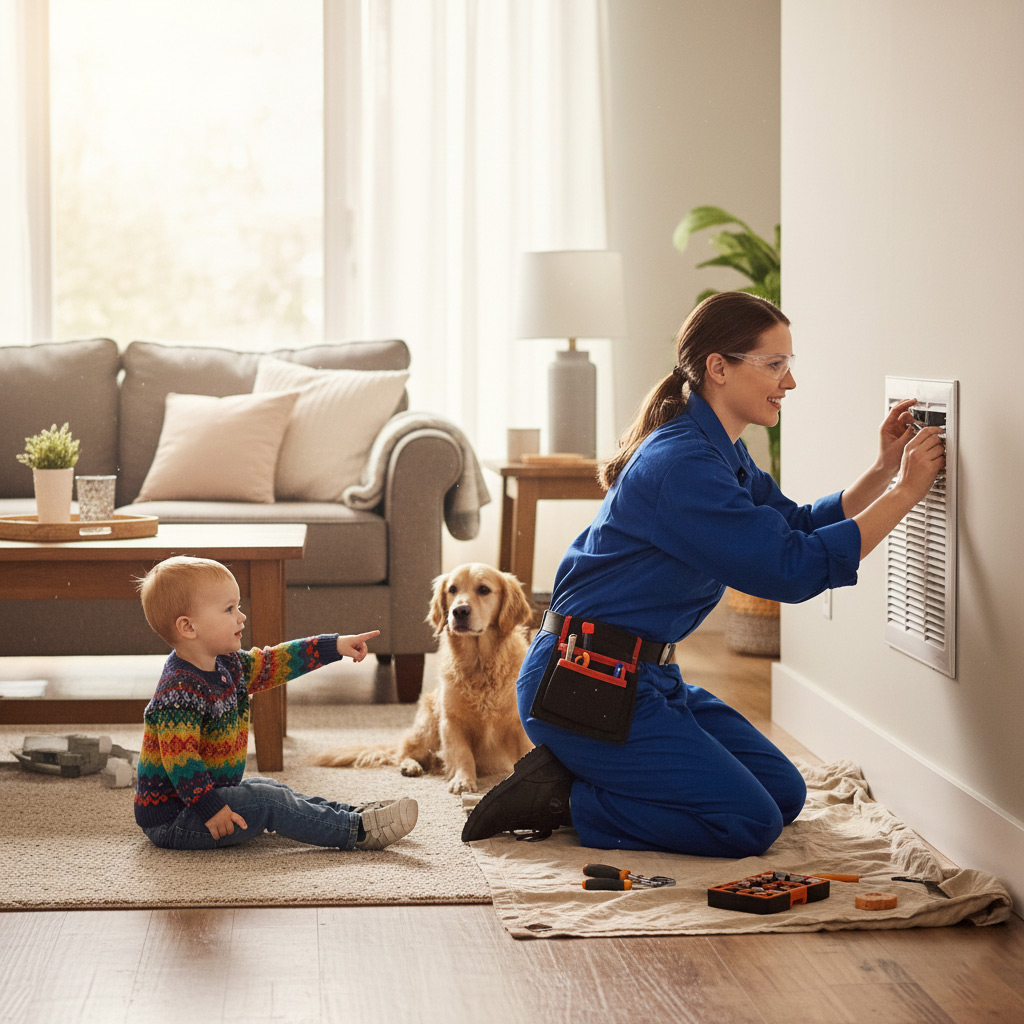
Selecting a Qualified Local Contractor: Credentials, Reviews, and Warranty Coverage
When you’re ready to replace your HVAC, the right contractor can make the difference between a smooth install and a nightmare that drags on for months. Don’t settle for the first name you see on a billboard. Do the homework, and you’ll protect your wallet and your comfort.
Check the Credentials
Start with the basics: licensing, insurance, and industry certifications. A reputable Winston‑Salem installer will proudly display:
- State HVAC license – proof they meet North Carolina standards.
- Liability and workers’ comp insurance – shields you from accidental damage.
- Manufacturer certifications (e.g., Carrier, Trane) – shows they’re trained on the exact unit you’re buying.
Read the Real Feedback
Online ratings are useful, but dig deeper. Look for patterns in customer comments, not just a perfect 5‑star score.
- Consistent praise for punctuality and clean work sites.
- Red flags: repeated complaints about hidden fees or unfinished jobs.
- Ask neighbors or local Facebook groups for personal referrals – word‑of‑mouth still beats ads.
Demand Solid Warranty
A good contractor stands behind their work with clear, written guarantees. You should see:
- Manufacturer’s equipment warranty – typically 5‑10 years on parts.
- Labor warranty from the installer – at least 1 year of free service on the install.
- Clear terms on what’s covered, how claims are filed, and who pays for travel.
Case Study: A Seamless HVAC Replacement in a Historic Winston‑Salem Residence
Background & Challenges
When the owners of a 1908 Craftsman home called, their furnace was sputtering and the old ductwork was crumbling. The house’s historic charm meant any work had to respect original woodwork and plaster. They needed a system that could keep the Victorian rooms comfortable without ruining the aesthetic.
We started with a thorough on‑site audit. The checklist included:
- Inspecting insulation levels in the attic and crawl spaces.
- Mapping existing duct routes that ran behind crown molding.
- Measuring load requirements for each zone—basement, main floor, and attic.
Solution & Execution
We recommended a high‑efficiency, variable‑speed furnace paired with a discreet ductless mini‑split for the attic. The mini‑split’s slim wall‑mount blended into the historic trim, and the new furnace fit into the original closet without altering the façade.
Installation took just three days. Our crew:
- Removed the old furnace and salvaged reusable components.
- Sealed all duct leaks with mastic, preserving the original plaster.
- Programmed a smart thermostat that learns the family’s schedule.
The result? A comfortable home, lower utility bills, and a satisfied homeowner who didn’t have to sacrifice any of the house’s character.
Final Words: Your Roadmap to a Comfortable, Energy‑Smart Home
Now that you’ve walked through the warning signs, sizing, system options, cost breakdown, and contractor vetting, you’re sitting on a clear game plan. Take the checklist, tick each box, and move forward with confidence. No more guessing, no more “maybe‑later” – just a solid path to a home that breathes easy year‑round.
Quick‑Start Actions
- Schedule a free on‑site assessment with a licensed Winston‑Salem installer.
- Ask for a written proposal that separates equipment, labor, and any rebates.
- Verify the contractor’s North Carolina license and read at least three recent reviews.
- Confirm warranty terms cover both parts and labor for at least five years.
Stay Ahead of the Curve
Technology moves fast, but your comfort shouldn’t have to. Set a calendar reminder for a yearly tune‑up, and keep an eye on local utility incentives – they change every season. When you treat your HVAC like a long‑term investment, the payoff shows up in lower bills and fewer emergency calls.
People Also Ask
How do I know when my HVAC system needs to be replaced?
Look for frequent breakdowns, rising energy bills, uneven heating or cooling, and an age over 10‑15 years. These warning signs often indicate that repair costs outweigh the benefits of a new system.What factors should I consider when sizing a new HVAC system for my Winston‑Salem home?
Assess your home’s square footage, insulation quality, window orientation, and local climate. A professional load calculation ensures the system is neither oversized nor undersized, maximizing comfort and efficiency.Which HVAC system type is best for historic homes in Winston‑Salem?
Ductless mini‑splits or hybrid systems are often ideal because they require minimal ductwork and can be installed discreetly. They provide precise temperature control while preserving the home’s historic character.Are there any rebates or incentives for installing energy‑efficient HVAC equipment in North Carolina?
Yes, the NC Clean Energy Technology Center and local utility companies offer rebates for high‑efficiency units. Check the Database of State Incentives for Renewables & Efficiency (DSIRE) for the latest programs.What should I look for in a qualified HVAC contractor in Winston‑Salem?
Verify the contractor’s licensing, insurance, and certifications such as NATE. Review customer testimonials, request detailed quotes, and ensure they offer a solid warranty on both equipment and labor.
Winston‑Salem HVAC brings over 20 years of residential and commercial climate‑control expertise to the Winston‑Salem community. Their certified technicians specialize in efficient heating, cooling, and indoor‑air‑quality solutions tailored to local homes and businesses. Committed to reliable service, they prioritize prompt response and lasting performance for every project.
Need HVAC?
We provide fast, reliable HVAC repair and maintenance to keep your home comfortable. Serving Winston‑Salem and nearby ZIPs (27101, 27103, 27104, 27006, 27007) with same‑day service.
Request a fast quote