Imagine waking up to a bone‑cold house because your furnace threw in the towel just as the Winston‑Salem wind started howling. One wrong DIY fix or ignored warning sign can turn a simple repair into a costly nightmare.
Homeowners often think a quick belt replacement or a DIY thermostat tweak will save them money, but those shortcuts usually invite bigger problems—like blown motors, cracked heat exchangers, or even dangerous carbon monoxide leaks.
When the furnace fails, you’re not just losing heat; you’re risking higher utility bills, uncomfortable nights, and expensive emergency service calls that could have been avoided with a little know‑how.
Ready to sidestep the common traps and keep your furnace running smooth all winter? Keep reading and discover the exact steps you need to protect your home and your wallet.
Common Warning Signs Your Furnace Needs Professional Attention
When the blower hums louder than a freight train or the thermostat spins its wheels without delivering heat, it’s a red flag. Ignore it and you’ll pay later—the furnace will work harder, your bills will climb, and a minor glitch can become a full‑blown breakdown.
Sounds and Smells That Won’t Go Away
- Rattling or squealing noises – could mean a loose belt or a failing motor.
- Burnt or metallic odor – a sign the heat exchanger is cracking.
- Flickering pilot light – often a gas flow issue that needs a pro.
These cues aren’t just annoyances; they’re the furnace’s way of screaming for help. If you hear or smell anything out of the ordinary, call a certified technician before the problem snowballs.
Performance Issues That Signal Trouble
- Uneven heating across rooms – indicates airflow blockage or a bad blower.
- Frequent cycling on and off – the thermostat may be misreading, or the limit switch is failing.
- Higher than usual energy bills – the unit is working inefficiently, often due to dirty filters or a clogged heat exchanger.
Spotting these symptoms early saves you from emergency service calls and costly part replacements. Trust the signs, and let a professional take the reins before winter bites.
DIY Fixes That Can Cause More Harm Than Good
Most homeowners reach for a screwdriver the moment the furnace sputters, thinking a quick tweak will save a buck. Replacing a belt without checking tension or swapping a thermostat battery on a whim often leads to motor burnout or erratic cycling. The result? A furnace that works harder, uses more energy, and cries for a professional repair.
When a DIY Turned Bad
- Cleaning the blower fan with water – moisture can short out the motor and corrode wiring.
- Using duct tape to seal leaks – it peels, leaves gaps, and can ignite if it contacts hot components.
- Attempting to “reset” the furnace by flipping the main breaker repeatedly – this can fry the control board.
These shortcuts feel cheap until the bill arrives. A qualified technician in Winston‑Salem knows the exact torque specs, proper sealants, and safe reset procedures, keeping your system humming without the hidden costs.
The True Cost of Ignoring Early Furnace Problems
When you brush off a rattling blower or a flickering flame, you’re not just postponing a repair—you’re signing up for a bill that can double before the first snow hits. Every extra hour the furnace runs inefficiently burns more fuel, and that shows up on your utility statement faster than you can say “heat wave.”
What the numbers really look like
- Higher energy consumption: A 10% drop in efficiency can add $150‑$250 to your monthly bill during winter.
- Premature part failure: Ignored wear on the motor or heat exchanger often leads to a full‑system replacement, a $3,000‑$5,000 expense.
- Safety risks: A cracked heat exchanger can leak carbon monoxide, potentially costing you medical bills and legal fees.
Beyond the dollars, there’s the hidden price of lost comfort. A furnace that sputters forces you to layer up, use space heaters, and endure uneven temperatures—all of which erode the quality of life you paid for. The sooner you act, the less you’ll pay in both cash and peace of mind.
How to Choose a Reliable Furnace Repair Service in Winston‑Salem
Check the Credentials
First thing’s first: make sure the tech is licensed and insured. A legitimate contractor will gladly show you their paperwork without a second thought.
Ask for their NATE certification or any local trade association badge—those are the hallmarks of someone who stays current on the latest furnace tech.
- Valid state license number
- Proof of liability insurance
- Industry certifications (NATE, ACCA)
Read the Reputation
Word‑of‑mouth still beats any glossy ad. Scan Google reviews, check the Better Business Bureau, and see what neighbors on the Winston‑Salem block are saying.
Look for patterns: quick response times, clean work sites, and technicians who actually explain the problem instead of rattling off jargon.
- 5‑star reviews mentioning “on‑time arrival”
- Testimonials that highlight “no hidden fees”
- Consistent praise for “professional demeanor”
Demand Transparency
Before any wrench turns, you should get a written estimate that breaks down labor, parts, and any potential extra charges.
Ask if they offer a service guarantee—something like a 90‑day labor warranty shows they stand behind their work.
- Clear, itemized quote
- Written warranty on parts and labor
- Emergency service rates disclosed up front
Preventative Maintenance Checklist for Year‑Round Efficiency
Spring‑time Tune‑Up
Before the heat kicks in, give your furnace a quick visual scan. Look for dust buildup on the blower motor and clean it with a soft brush.
Tip: A clean motor runs cooler, which means less wear and a longer lifespan.
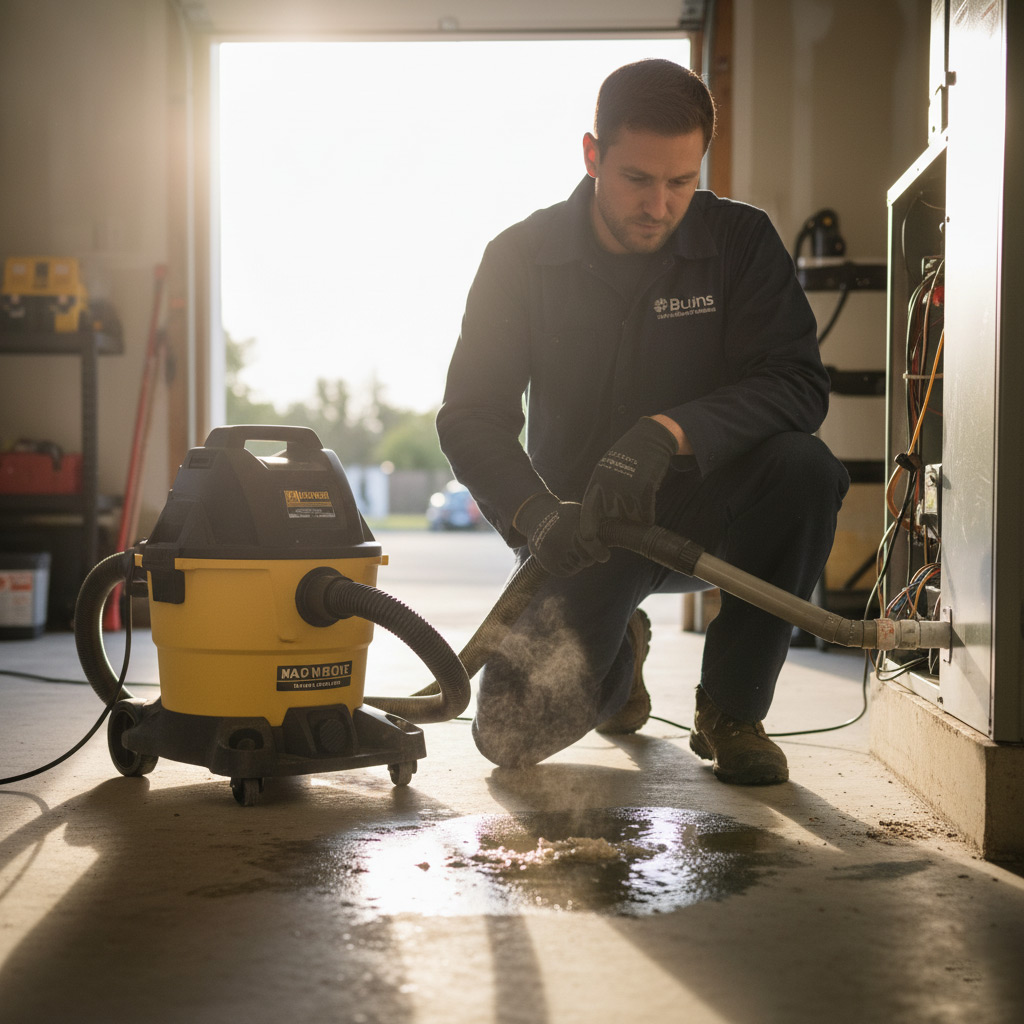
- Turn off power, remove the access panel, and vacuum the fan blades.
- Check the condensate drain for clogs; a simple water‑pipe cleaner does the trick.
- Inspect the thermostat batteries and replace them if they’re older than a year.
Summer‑Season Safeguards
Even when you’re not heating, the furnace sits idle and can develop hidden issues. Schedule a brief inspection during your AC service.
Don’t forget: Verify that the furnace’s safety switch isn’t stuck in the “off” position.
- Listen for unusual rattles when you briefly turn the furnace on.
- Look for signs of corrosion around the gas line connections.
- Test the pressure switch with a multimeter; a weak reading signals a problem.
Fall‑Ready Checklist
When the first chill hits, you want confidence that the system will fire up without drama. Run a short “fire‑up” test and watch the flame.
Watch for a steady blue flame; any yellow tips mean the heat exchanger might be compromised.
- Replace the air filter; a clogged filter forces the furnace to work harder.
- Check the vent hood for obstructions—leaves, nests, or debris can choke airflow.
- Schedule a professional inspection for the heat exchanger if you notice soot or a strange odor.
Case Study: How We Saved a Winston‑Salem Homeowner $2,300 by Fixing a Faulty Heat Exchanger
The Situation
When the Miller family called, their furnace was sputtering and the house felt like a refrigerator. A quick visual check revealed a cracked heat exchanger—a problem that can leak carbon monoxide and force an expensive full‑system replacement.
They’d already spent $800 on a “quick fix” that only masked the issue, and the utility bill was climbing faster than the temperature outside.
Our Diagnosis & Action Plan
Our certified tech ran a combustion analysis, confirmed the crack, and outlined a three‑step repair that avoided a brand‑new furnace.
- Step 1: Replace the damaged heat exchanger with a factory‑approved unit.
- Step 2: Clean the blower motor and recalibrate the thermostat for optimal airflow.
- Step 3: Perform a full safety test, including carbon monoxide detection.
Each step was performed with precision, using parts that matched the original manufacturer’s specs.
The Bottom‑Line Savings
Original estimate for a full furnace replacement: $5,500. Our repair cost: $2,200. The Miller family walked away with a $2,300 saving and a furnace that ran smoother than ever.
Beyond the dollars, they gained peace of mind—no more carbon monoxide worries, and their heating bills dropped by 15% after the tune‑up.
Final Words
When the furnace starts acting up, the temptation to “just fix it yourself” is strong. Resist that urge and call a pro before a small glitch turns into a $2,300 repair bill. A quick call to a trusted Furnace Repair team can save you time, money, and a lot of cold nights.
Take Action Today
- Schedule a professional inspection before the first frost.
- Keep a written log of any odd noises, smells, or temperature swings.
- Never ignore a carbon‑monoxide alarm—replace batteries and test monthly.
Remember, a well‑maintained furnace is the silent hero of every Winston‑Salem winter. Invest a little now and enjoy warm, worry‑free evenings all season long.
People Also Ask
What are the most common warning signs that my furnace needs professional repair?
A furnace that’s making strange noises, blowing uneven heat, or cycling on and off frequently is signaling trouble. You may also notice a sudden increase in energy bills or a yellow pilot flame instead of blue. These signs indicate that a qualified technician should inspect the system promptly.Why can DIY furnace fixes end up costing more in the long run?
Attempting repairs without proper training can damage delicate components like the heat exchanger or blower motor. Incorrect fixes often lead to repeated breakdowns, higher utility costs, and may void the manufacturer’s warranty, ultimately increasing overall expenses.How much could I lose by ignoring early furnace problems?
Minor issues can quickly escalate into major failures, such as a cracked heat exchanger that requires a full replacement costing $2,000‑$3,500. Additionally, an inefficient furnace forces your HVAC system to work harder, raising monthly energy bills by up to 30 %.What should I look for when choosing a furnace repair service in Winston‑Salem?
Select a company with local experience, proper licensing, and positive customer reviews. Ask about their response time, warranty on parts and labor, and whether they offer a free diagnostic assessment.What routine maintenance tasks can prevent furnace disasters?
Replace or clean the air filter monthly, schedule professional inspections before the heating season, and keep the area around the furnace clear of debris. Regularly checking the thermostat settings and sealing duct leaks also helps maintain optimal performance.
Winston‑Salem HVAC brings over 20 years of residential and commercial climate‑control expertise to the Winston‑Salem community. Their team of certified technicians delivers tailored heating and cooling solutions designed for the region’s unique weather patterns. Committed to responsive service, they prioritize comfort and energy efficiency for local homeowners and businesses.
Need HVAC?
We provide fast, reliable HVAC repair and maintenance to keep your home comfortable. Serving Winston‑Salem and nearby ZIPs (27101, 27103, 27104, 27006, 27007) with same‑day service.
Request a fast quote